
Exploring Eastern Medicine: Harmonizing Practices with Western Approaches
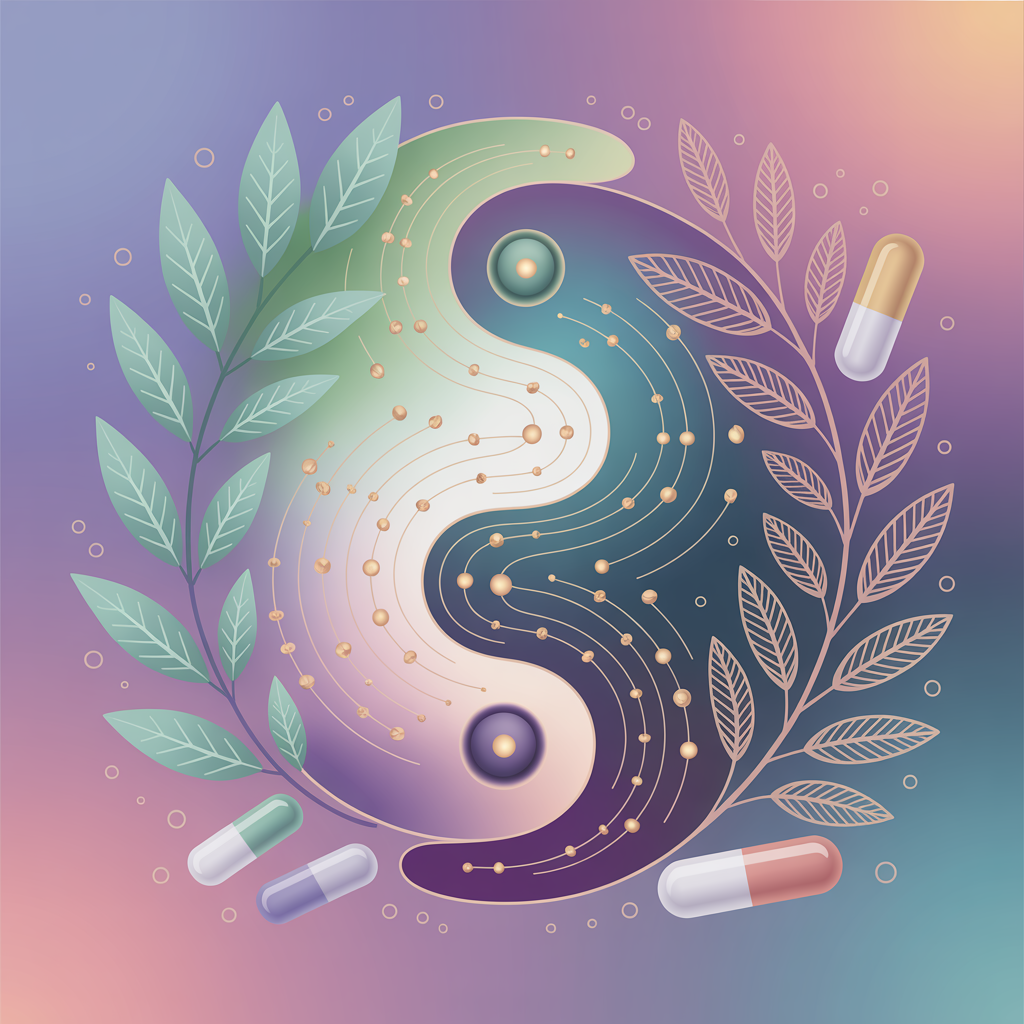
In a world increasingly inclined towards specialization and technological advancement, the health sector often finds itself at a crossroads between ancient wisdom and modern science. Eastern medicine, with its holistic emphasis and natural modalities, offers valuable insights that complement the rigor of Western medicine. As the medical landscape evolves, an open-minded approach to integrating these diverse health practices becomes crucial for comprehensive care.
Eastern medicine encompasses various traditions, including Traditional Chinese Medicine (TCM), Ayurveda, and other alternative therapies. The foundational belief in these practices is the idea that health is a balance of body, mind, and spirit. In contrast, Western medicine primarily focuses on the biological aspects of health, often reducing the patient to a collection of symptoms. While both approaches have their merits, a growing body of evidence suggests that their integration can lead to more effective, patient-centered care.
One of the most significant advantages of Eastern medicine is its reliance on natural remedies rather than synthesized compounds. For instance, herbal medicine, a cornerstone of many Eastern traditions, utilizes plants' holistic properties to address various health concerns. Instead of targeting symptoms in isolation, these remedies often aim to restore balance within the body, promoting self-healing and long-term wellness. This approach encourages a preventative mindset, where individuals are equipped to take an active role in their health.
Furthermore, the emphasis on lifestyle changes in Eastern medicine complements Western treatments. Practices like meditation, acupuncture, and yoga not only alleviate symptoms but also address underlying issues such as stress, anxiety, and chronic pain. These techniques can be seamlessly integrated into Western medical treatments, providing patients with well-rounded support. For example, incorporating mindfulness practices can enhance the efficacy of pharmacological interventions, leading to improved outcomes and patient satisfaction.
Despite the benefits, there’s a tendency in the Western medical community to discount Eastern practices due to a lack of robust scientific validation. However, more research is being conducted to examine the effects of techniques like acupuncture and herbal remedies. Studies have shown that acupuncture can effectively relieve chronic pain and reduce the need for opioid medications. This evidence encourages a reevaluation of Eastern methodologies and how they can coexist with established Western practices.
Moreover, there is a growing awareness of the importance of patient experience in healthcare. Eastern medicine’s focus on individualized treatment can significantly influence patient outcomes. Practitioners take time to understand a patient’s physical, emotional, and spiritual health, creating a more tailored approach to treatment. This holistic focus not only fosters a deeper connection between practitioner and patient but also improves adherence to treatment plans and overall health outcomes.
Open-mindedness toward Eastern medicine is not merely about adopting new treatments but fostering adaptability in the face of diverse health philosophies. By understanding the unique strengths and perspectives each tradition brings, healthcare practitioners can better serve their patients. Collaborations between Eastern and Western practitioners can facilitate knowledge exchange, ultimately leading to enhanced care models that respect and integrate multiple healing pathways.
In sum, embracing Eastern medicine techniques within the framework of Western medicine presents an opportunity for a more comprehensive approach to healthcare. By valuing natural remedies, preventative strategies, and a holistic understanding of health, we can build a more inclusive medical practice that truly addresses the complexities of human health. As the boundaries between these two worlds continue to blur, the potential for improved patient care and overall well-being is immense, encouraging a future where health encompasses mind, body, and spirit.